
October 2025
Giewont and the Last Golden Days in the Tatras
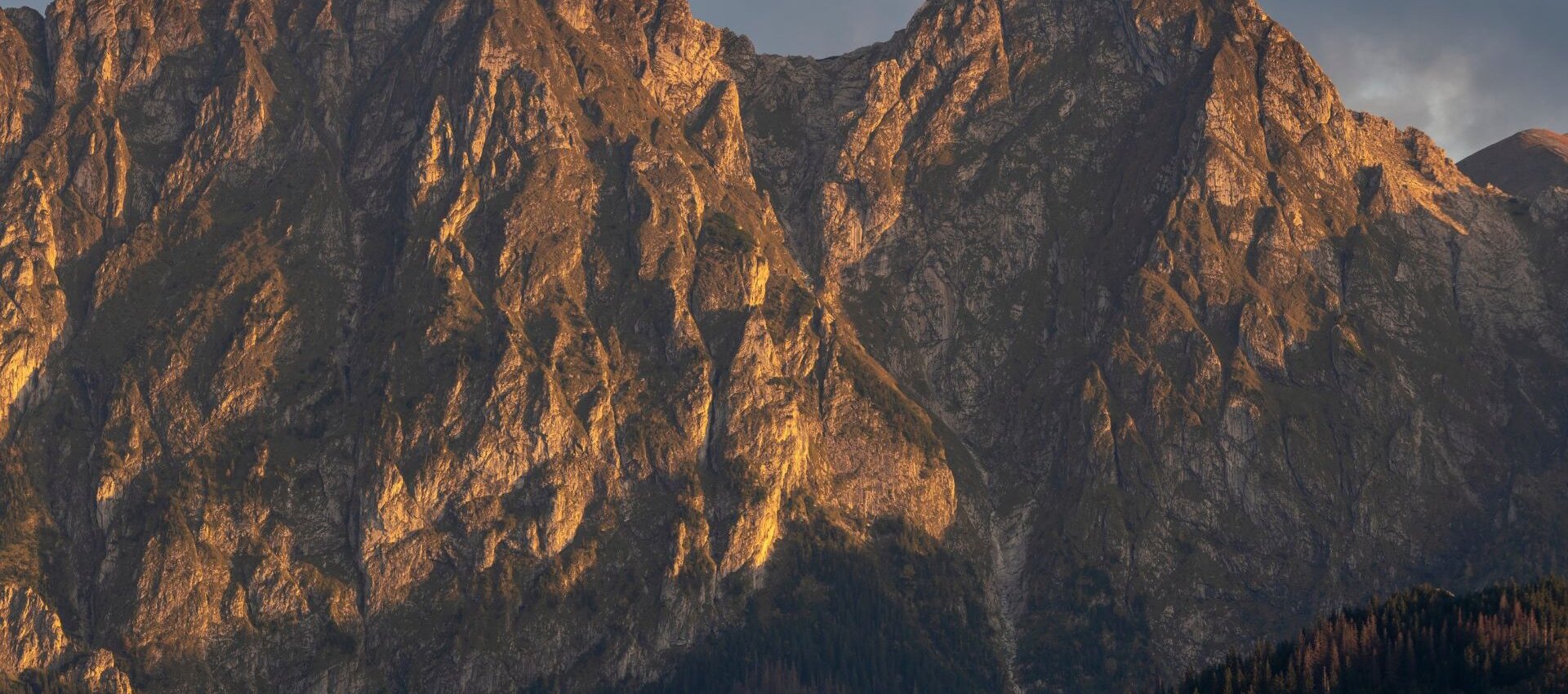
October in the Tatras is a month full of contrasts. In the valleys, it's still warm, golden, and sunny. On the peaks – cold, frosts, and quiet hints of winter. It is a time when nature gives its final display of colorful strength. And if there is one place that combines majesty, legend, and autumn beauty, it is Giewont – the symbol of the Tatras and Zakopane.
Golden Silence at the Feet of the Sleeping Knight
The morning in the Strążyska Valley begins with mist and the smell of wet forest. The air carries autumn – moisture mixes with the scent of pine needles, and leaves rustle underfoot like a soft path. This is where the classic trail to Giewont starts – a route that gains special charm in autumn. The light in October is gentle and diffused, making the rocks and forests have deeper colors. Green spruces, reddish grasses, and golden beeches create a backdrop like a painted canvas. Walking upwards, you can stop at every step just to look.Trail to Giewont – an autumn challenge
The most popular route leads from Kuźnice through the Kondratowa Valley. It is a hike that combines different moods – from a peaceful walk in the valley to a rugged ascent to the Kondracka Pass and the final climb to the Giewont summit (1894 m above sea level). In autumn, conditions change quickly. Mornings can be misty, and above 1700 meters, a thin layer of ice can settle. Therefore, it is worth planning your ascent wisely:- set off early in the morning, when the trail is dry,
- have shoes with good traction and warmer clothes,
- follow TPN announcements about trail conditions and weather.
Nature in Full Glory
The Tatras in October are a true spectacle of nature. Larches turn yellow, and high meadows are covered with shades of orange and copper. Mists rise above the valleys, and the air is so clear that every detail of the rocky walls can be seen. In the Kondratowa Valley, you can still spot marmots preparing for winter and chamois descending lower in search of grass. Sometimes, you can also hear the characteristic whistle of the wind reflecting off the limestone walls of Giewont. This is the moment when the Tatras live their own rhythm – without crowds, calmly, majestically.At the Summit – Between Heaven and Legend
The view from Giewont in autumn has something mystical about it. On one side – a panorama of Zakopane and Podhale bathed in golden light. On the other – the rugged peaks of the Red Hills, already preparing for winter. The cross on Giewont shines in the sun, and silence reigns around. This is the moment when everything slows down. Just sit on a rock, drink tea from a thermos, and simply watch. For years, Giewont has attracted not only tourists but also dreamers. In autumn, there are fewer people, more space – and more emotions. It is then that you can truly feel that this peak really lives in the rhythm of nature.Safety Above All
Although the trail to Giewont is not long, in autumn it can surprise you. The narrow ridge and chains during the ascent require sure-footedness. Metal elements can be slippery due to dew or frost. Therefore, before climbing, it is advisable to:- check the temperature at the summit,
- take gloves and a hat,
- plan your return to descend before dusk.
The Last Golden Days
Giewont in autumn is not only a destination. It is a farewell to warmth, the scent of the forest, and the colors that snow will soon cover. In October, the mountains speak in whispers – not of adventure, but of peace. It is the perfect time to look once more at the Tatras from above before they close into their winter sleep. Because when the leaves fall and the trails freeze, only the memory of that last golden autumn light will remain.Why It’s Worth Climbing Giewont in Autumn
- Fewer tourists – more silence and authentic contact with the mountains.
- Nature at its most beautiful – warm colors, clear air, long shadows.
- Spiritual symbolism – Giewont is not only a peak but also a symbol of courage, endurance, freedom.
- Proximity to Zakopane – a trail easily accessible even for day trips.